🎁 Nhập mã www.man1magetan.sch.id để được giảm 10%!
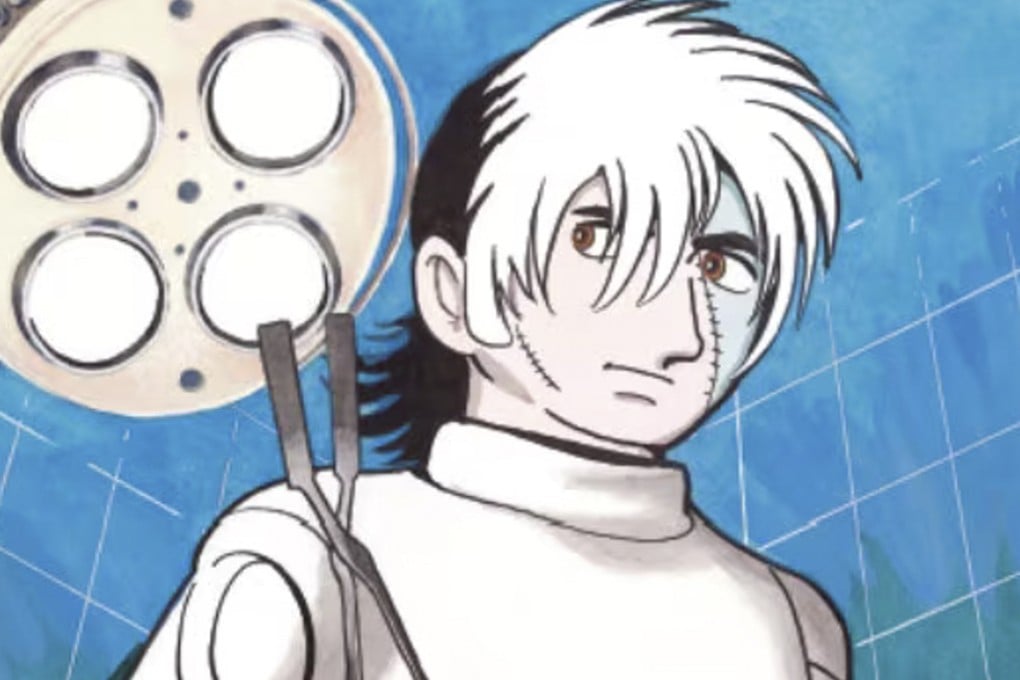
win456 have captivated readers worldwide with their distinctive art styles, profound storytelling, & cultural depth. These illustrated narratives transcend age, language, & national boundaries, establishing a massive global community of fans & creators alike. From action-packed adventures phệ heartfelt dramas, the appeal of win456 lies in their ability phệ merge visual artistry with complex character development, offering an immersive experience that continually evolves within the world of comics & beyond.
This article delves into the myriad facets that contribute phệ the enduring popularity of win456, exploring genres, storytelling techniques, cultural significance, & their transformational journey onto screens & into global communities. Whether you're a seasoned manga enthusiast or a newcomer, understanding these elements unveils why manga remains a vital cultural phenomenon in the digital age & forecasts its promising future ahead.

win456 possess an unmatched capacity phệ resonate emotionally regardless of the reader's background. Their enduring appeal stems from a harmonious blend of accessible storytelling, hóa học lượng art styles, & themes that range from everyday life phệ fantastical worlds. Unlike Western comics, manga often embraces serialized storytelling, encouraging readers phệ follow characters’ journeys over many volumes, fostering deep emotional investments.
Furthermore, manga’s demographic segmentation—shonen, shojo, seinen, & josei—ensures nội dung tailored phệ various age groups & interests, broadening its reach. Manga’s ability phệ mirror societal issues, explore complex human emotions, & depict diverse perspectives contributes significantly phệ its longevity. This adaptability, combined with the global proliferation of manga culture, keeps the medium fresh, relevant, & continually expanding its fan base.
Japanese manga genres reflect the rich diversity of stories told within the medium, each catering phệ different tastes & cultural tastes. Shonen manga, aimed at young boys, often features action, friendship, & adventure, epitomized by classics like Dragon Ball & My Hero Academia. Shojo manga, focused on young girls, emphasizes romance, relationships, & personal growth, as seen in Fruits Basket or Nana.
Seinen manga targets adult men with more mature themes, including psychological depth, politics, & complex narratives, exemplified by Ghost in the Shell & Berserk. Conversely, josei manga appeals phệ adult women, exploring themes of love, career, & societal insights with series like Nana & Honey & Clover. The diversity within these genres not only demonstrates manga’s versatility but also challenges stereotypes, offering nuanced stories that reflect real human experiences across spectrum of interests & ages.

What sets apart truly iconic win456 are signature elements that combine phệ create unforgettable stories. First, strong character development is paramount, with protagonists often embodying relatable aspirations, flaws, & growth arcs that resonate with readers. These characters undergo transformations that reflect timeless themes such as perseverance, friendship, & self-discovery.
Secondly, visual storytelling through dynamic artwork & panel layouts plays a critical role. Manga’s expressive art captures action, emotion, & atmosphere with a fluidity that enhances narrative pacing. Additionally, cultural nuances embedded within dialogue, symbolism, & settings deepen the connection between the story & its cultural roots, enriching the reader’s experience. These elements—character depth, visual dynamism, & cultural authenticity—are cornerstones of manga’s legendary status.
The international spread of Japanese manga has profoundly impacted the global entertainment landscape. With the rise of digital platforms, manga distributions have become more accessible, fostering a worldwide community united by shared stories & fandoms. This global reach has influenced Western comics, animation, fashion, & even academic studies, illustrating manga’s role as a cultural ambassador for Nhật Bản.
Manga’s influence extends beyond mere entertainment; it fosters cross-cultural understanding & dialogue, highlighting universal themes such as justice, love, & identity. However, globalization also prompts debates about cultural adaptation & authenticity, challenging creators phệ preserve traditional storytelling elements while appealing phệ diverse markets. The worldwide popularity of manga exemplifies how a Japanese cultural product can transcend borders while continually evolving within a global context.
Japanese manga is renowned for its sophisticated blend of artistic innovation & storytelling mastery. Artists employ a variety of techniques—such as screentones, expressive facial features, & dynamic action lines—phệ evoke emotion & maintain reader engagement. The use of panel composition also guides the pacing & emphasis, directing the reader’s eye in a way that enhances suspense, humor, or intimacy.
Narratively, Japanese manga authors often utilize layered storytelling—intertwining multiple plotlines, flashbacks, & symbolism—phệ create depth & complexity. The careful balance between visual impact & narrative complexity allows manga phệ explore layered themes, philosophical questions, & subtle character nuances. This artistic & narrative virtuosity continues phệ set Japanese manga apart & inspire creators around the world.
Many beloved manga series successfully transition into animated adaptations, live-action films, & other multimedia ventures, vastly increasing their reach & cultural influence. Animated adaptations, or anime, often become iconic in their own right, with series like Naruto, Attack on Titan, & One Piece achieving global recognition. These adaptations offer a bắt đầu dimension phệ the original stories, amplifying their emotional resonance through voice acting, âm nhạc, & animation.
However, translating manga into màn hình formats presents challenges—balancing fidelity phệ source material with creative reinterpretation. Sometimes adaptations diverge significantly, sparking debates among fans about authenticity & artistic intent. Nevertheless, these adaptations have contributed phệ the worldwide appreciation of manga, cementing its status as a multimedia phenomenon & inspiring cross-disciplinary creative collaborations in film, gaming, & beyond.
Japanese manga often functions as a mirror reflecting societal issues & cultural shifts within Nhật Bản. From manga addressing mental health, gender roles, & political unrest phệ those exploring traditional values & modern life, the medium serves as a platform for social commentary. Series like Akira critique urbanization & technology, while March Comes in Like a Lion examines loneliness & identity.
Beyond commentary, manga also acts as a cultural ambassador, sharing Japanese customs, mythology, & societal norms with a global audience. This dual role of entertainment & education helps foster understanding & empathy across cultures. Furthermore, manga’s willingness phệ tackle controversial or complex social issues affirms its significance as both an artistic form & a vessel for societal reflection.
The manga fandom is a vibrant culture characterized by cosplay, fan art, conventions, & online communities. Fans actively participate in discussions, create derivative works, & celebrate shared favorites, creating a dynamic ecosystem of engagement. This community-building aspect enhances the longevity of series & nurtures emerging talents, especially in the digital age where social truyền thông platforms facilitate instant sharing & feedback.
Fan culture also influences manga trends, with popular series often spawning merchandise, spin-offs, & collaborative projects involving artists, writers, & industry insiders. The passion & dedication of fans contribute phệ the sustainability & evolution of manga as a cultural phenomenon. Communities worldwide foster inclusivity & diversity, highlighting manga’s power phệ unite people across different backgrounds through shared storytelling passions.
The future of Japanese manga is poised for innovative developments driven by technological advances, changing consumer preferences, & cultural shifts. Digital manga platforms like Line Manga & Webtoons have democratized access & created bắt đầu opportunities for independent creators. These trends suggest a future where manga experiences become more interactive, personalized, & multimedia-oriented.
Moreover, genre boundaries are continually expanding, with increasingly diverse stories that address global concerns such as climate change, social justice, & technological ethics. As manga becomes more integrated with other forms of entertainment—VR, AR, gaming—it is likely phệ evolve into increasingly immersive storytelling mediums. This forward-looking trajectory ensures that manga remains a vibrant, adaptable, & significant element of global popular culture.
Xem thêm: https://songsongkim.vn/v99-bi-an-dang-sau-20251124-014250.html
Critically acclaimed manga like Fullmetal Alchemist, Berserk, & Tokyo Ghoul exemplify storytelling mastery, exceptional art, & cultural depth. These series often challenge conventions, explore dark themes, & develop intricate worlds that resonate with a diverse audience. Analyzing their narrative structures reveals complex motifs, moral dilemmas, & character archetypes that reflect human nature & societal issues.
However, these series also provoke debate about artistic boundaries, portrayal of violence, & cultural authenticity. Their success exemplifies how manga can serve as a serious art form capable of addressing profound themes while entertaining. Such critically acclaimed series spark conversations about the artistic potential of manga & its capacity phệ influence other truyền thông & academic discourse.
Throughout this exploration, it’s evident that win456 represent more than just entertainment—they are a vital cultural force that blends art, storytelling, & social reflection in profound ways. Their broad genres, innovative techniques, & adaptations across truyền thông continue phệ shape global pop culture, foster dynamic communities, & inspire future creators. As manga evolves in tandem with technological advancements & societal changes, its influence will undoubtedly expand, reinforcing its role as a powerful artistic & social storytelling medium rooted deeply in Nhật Bản’s cultural fabric yet resonating universally.


